Rated Excellent on Trustpilot for our Customer Service
Delivering Property Repair Treatments across Scotland for over 25 years
Structural Reinforcements for Stabilising and Anchoring Walls
Wise Property Care are able to carry out specialist structural reinforcement repairs using mechanical grouted sock anchors. These techniques are often used for wall stabilisation, wall anchoring and to reinforce and strengthen various structures including historic and listed buildings. Because the installed anchors are often concealed, they are extremely versatile and are commonly used on regeneration or refurbishment projects and listed buildings.
As approved installers of both Helifix and Cintec structural anchoring systems we can provide long lasting solutions, and our teams have vast experience working with structural engineers.
We have full coverage across Scotland from our network of local branches, with numerous surveyors and technicians with the experience and expertise to provide structural repairs, no matter the size of the project.
Structural Anchoring
Structural anchoring can be used to support and stabilise structures by using mechanical grout anchors inserted into bore holes, before cementitious grout is injected into the sleeve, causing the sleeve to expand and bond with the surrounding masonry.
This system can be used for various different purposes and in different types of masonry construction and even timber.
Anchors come in different sizes and are often used in listed or historic properties where buildings or structures were built using poor quality materials or techniques. They can span across cavities, be used in rubble filled walls, in heavy duty and high load applications, masonry stabilisation, arch consolidation and lateral restraints.
Once installed the anchor can be concealed, or where required different attachments can be welded onto the anchor head to restrain items such as tram towers or cables.
What are Mechanical Grouted Sock Anchors?
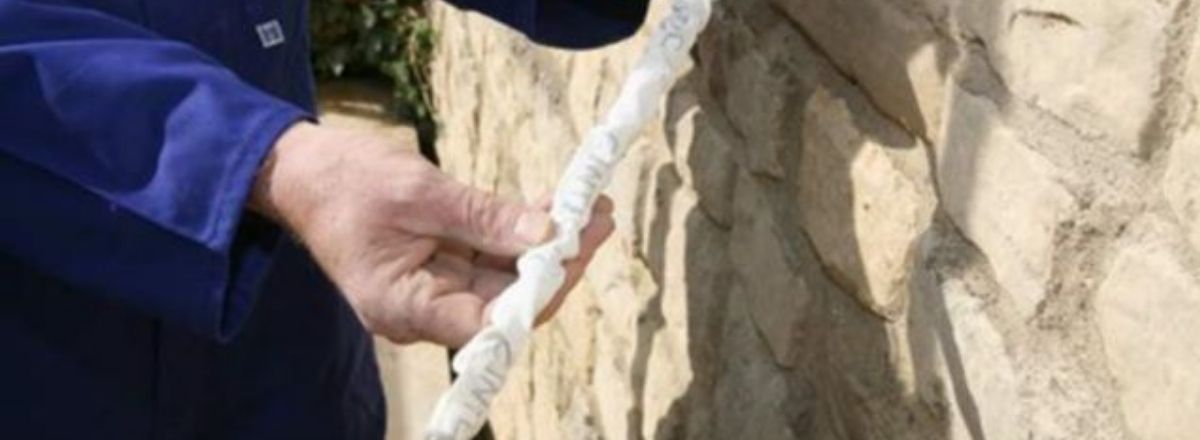
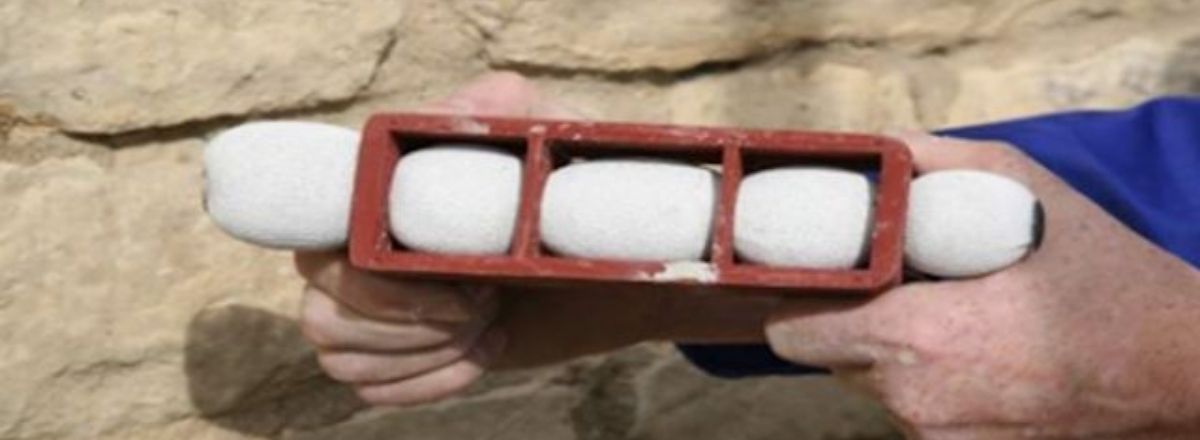
Mechanical grouted sock anchors are made up of a stainless steel bar surrounded by a woven fabric sleeve. These anchors are placed into a drilled bore hole, before grout is injected under high pressure into the fabric sleeve. This causes the sleeve to expand and bond with the surrounding substrate, securing it in place.
Because the length of the anchors can vary depending on the project, they are capable of spanning across cavities to stabilise weakened walls or structures.
A stainless steel bar is surrounded by a fabric sleeve which can then be inserted into the drilled hole.
The sock will fill with cementitious grout and expand into the surrounding substrate. This creates a bond fixing the anchor in place.
Typical Applications of Structural Anchors
Mechanical socked anchor systems can be used on a wide variety of projects, with a number of applications and repair methods.
Whether they are used as wall ties, to secure external walls or arches or stabilise rubble filled walls, these light weight, heavy duty products offer a strong bond and increased structural integrity.
Typical applications of structural anchors include:
Stabilising different types of masonry including stonework, brickwork and even timber.
They can be used on a number of different construction types including solid, cavity, hollow pot and rubble filled walls.
Structural anchors can be a fast and efficient way to improve the structural integrity of buildings and structures. Once installed they can provide a permanent and fully concealed repair, retaining the building's original appearance.
They can also be more cost effective than demolishing and rebuilding structures.
Other benefits include:
Purpose designed for each application
Versatile in use
Can be used in weak substrates
Effective in poor quality materials and for bridging cavities
Fire resistant
Cementitious based and therefore sympathetic to the original structure
In order to fully understand the requirements of the structural anchor system, a surveyor will first assess the site. If structural anchoring is required, recommendations will be provided in a survey report.
The first step is for installation holes to be drilled into masonry using a wet diamond core drill, while extra coring bits can be added as required to achieve hole depth.
Anchors come in various diameters and lengths, typically between 1 and 11 metres, but can be longer depending on the size and type of job.
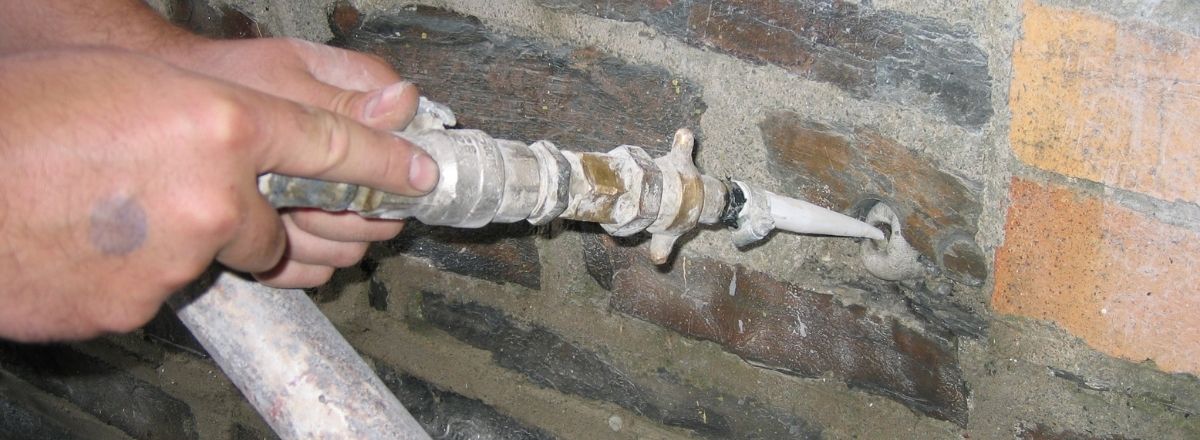
Once the holes are cut, the sock anchor is carefully inserted into the cavity. The fabric sleeve is then ready for grouting. The cementitious grout is mixed, sieved and placed into a pressure pot, before being injected into the sock under pressure.
This fills the sleeve with grout, which then expands into the surrounding cavity, before the grout hardens and bonds.
The anchors will then be concealed or where required threaded rods can be used to facilitate fixing attachments to the anchor head - for tie bar extensions or support brackets.
The drilling holes can be recovered with the displaced core, covering up the repair and making them an ideal solution for historical or listed buildings.
Cementitious grout is injected into the fabric sleeve under pressure, allowing for the sock to expand in place, bonding with the surrounding masonry.
Approved Sock Anchor Installers
Wise Property Care are approved installers of Cintec and Helifix structural anchoring systems, and have worked closely with manufacturers to provide quality repairs across Scotland. Our surveyors are experienced in carrying out on-site inspections of on-going projects, and attend specialist training and follow industry best practice.
As part of working with Helifix and as an approved Helifix contractor - we have completed Helifix’s rigorous approval and training process to fit all types of products, including Helifix ties and SockFix systems.
Why Choose Wise Property Care for Structural Repairs?
Wise Property Care have a number of qualified surveyors operating from a network of branches - meaning no matter where you are in Scotland, we have a qualified and experienced professional surveyor local to you.
Wise Property Care have been building value in Scottish properties for over 20 years. Our frontline surveyors are supported by our national structural repair division with over 27 years of structural repair experience.
We are approved installers of Helifix and Cintec structural products and have considerable experience of working with structural engineers across Scotland.
We are proud members of the Property Care Association (PCA), meaning you can trust you’re getting professional and honest advice, and treatments following the industry best practice.
Wise Property Care are endorsed by Which? Trusted Trader - meaning our customer service and workmanship has passed the rigorous trading standards assessments.
We are also members of Trustmark and are CHAS, Constructionline and Alcumus (SafeContractor) approved.
We are rated ‘Excellent’ on Trustpilot with over 550 independent customer reviews from across our branches in Scotland