Black Mould
Problems with unsightly mould in your home? Find out the main causes and how to treat it safely.

For your Local Experts call us on 0808 301 8231 or Contact Us
Damp and mould are some of the most common problems homeowners and occupants face in homes across Scotland every year, especially in the colder months.
Because of this, many look for solutions to prevent the damp problem recurring without realising there are different types of damp, requiring differing treatments. Often a damp problem will return if the problem has been misdiagnosed and the wrong treatment carried out.
This is why it is so important to understand what is causing damp in your property, before attempting to stop the problem. Some damp problems can be complex, with similar symptoms to other types of damp. Because of this we have put together a guide on how to identify damp problems that affect properties in Scotland.
If you still require help, Wise Property Care have a number of professional surveyors who operate out of local branches across Scotland. They can carry out a professional survey to understand where the damp problem is originating from, and provide you with recommendations to stop the problem for good.
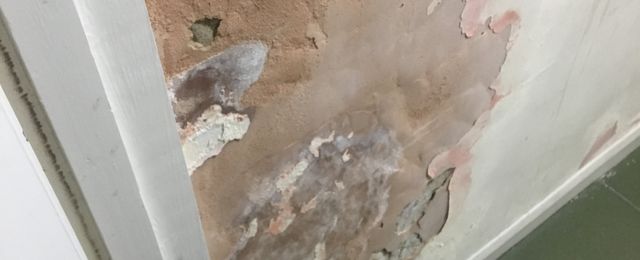
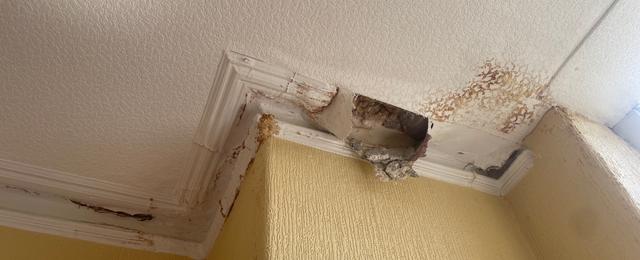
Damp is caused by moisture penetrating into a structure, or caused by a buildup of humidity inside the property that is trapped. All types of damp have similar telltale signs, including damp and musty smells, visible damp patches on walls and surfaces, and over time the deterioration of plasterwork and peeling of wallpaper.
If left untreated, damp problems can lead to issues such as woodworm, wet rot, dry rot and structural issues.
Damp will also vary from property to property, as no two buildings are the same. A property built of solid walls is more susceptible to damp problems than a cavity wall constructed property.
If you have noticed these signs of a damp problem in your property you need to then find out what is causing the problem, before carrying out preventive action. If you are unsure or would like a professional opinion, a damp and timber survey can be carried out in order to get to the root cause of the issue.
While damp is often used as a catch-all term for problems relating to moisture in a property, there are three main types of damp, condensation, penetrating damp and rising damp.
These are usually what is causing damp problems in a property, whether it is at ground floor level, on the second floor or even in the basement. Because symptoms often appear similar, correct diagnosis can be difficult. It is important to recognise the difference though as each requires a different form of treatment.
Penetrating damp is caused when moisture from outside a property is able to enter, typically from porous masonry, building defects or a lack of regular maintenance. This can lead to moisture pooling around the foundations of a property, or penetrating through brickwork or missing roof tiles. If masonry is porous or if mortar is missing this can also allow moisture to enter a building.
You may notice the problem gets worse after periods of rainfall, and the cold damp patches created internally can also lead to black mould growth.
Because penetrating damp can affect a property at various levels, thorough inspection is necessary. If external damp patches match those inside, this suggests a building defect causing the damp problem inside.
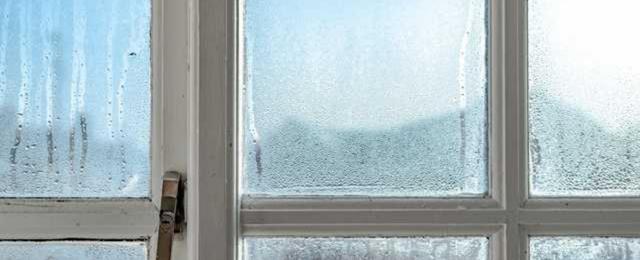
Condensation is the most common type of damp found in homes in Scotland, and is caused by warm humid air circulating through a property and landing on cold surfaces. This can cause window panes and mirrors to steam up and water beads to form, and in extreme examples damp patches forming on walls and ceilings.
It is caused because moisture has been created inside the property and has become trapped. Tasks such as cooking, cleaning and washing will produce water vapour, and unless there is inadequate ventilation (such as extractor fans) it will circulate around the property and condense on cold surfaces, turning back into liquid. Over time black mould will often form as a result of condensation.
Condensation will occur when there is a lack of ventilation and air circulation, so moisture inside the property cannot escape. It will form on cold surfaces and external walls are particularly susceptible to cold bridging when they are cold.
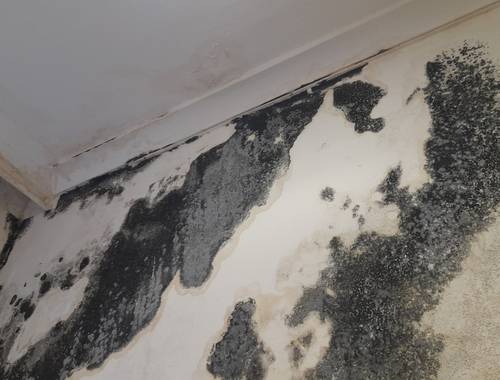
There are many types of mould that affect properties across Scotland, but black mould is a term commonly used for the fungus Stachybotrys chartarum. This will often form when there is a significant condensation problem inside a property, as black mould spores germinate and spread across surfaces. It will damage and stain window frames, furniture and clothing.
Although Black mould is the most common type of mould, there are many different species of black staining mould as well as others that stain green, yellow, mauve and grey.
Mould is more prevalent in areas with a lack of air circulation, making it common behind large furniture. Often condensation can occur behind the headboard of a bed if it's pushed against a cold external wall, with an ensuite nearby producing the moisture which is condensing. It is also very common in bay windows.
To stop black mould you must address the condensation problem, by increasing ventilation and improving the thermal efficiency of the property. This is typically done by extractor fans or PIV units. Thermal plastering can be used to increase the temperature of cold external solid brick walls.
Black mould can also occur because of penetrating damp - as the damp patch creates a cold bridge which allows mould to form. This makes it key to accurately diagnose a damp problem before carrying out treatments.
Rising damp is caused by moisture from the ground below a building rising upwards through masonry walls by a process known as capillary action. This only occurs when a property does not have a functioning damp proof course (DPC), or it has become bridged.
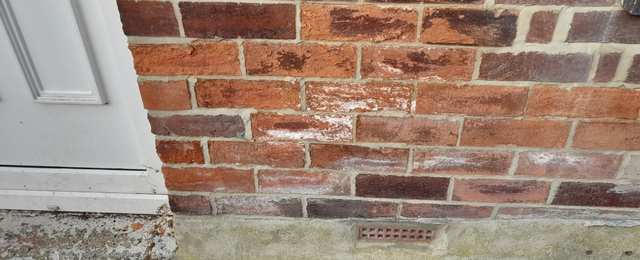
Without a waterproof barrier moisture is able to enter the fabric of the building, causing salty deposits and damp patches that look like tidemarks.
Although more uncommon than people realise, rising damp is a problem many homes face across Scotland, especially in older properties that were built before modern standards were introduced.
Because most properties are built with a damp proof course, rising damp is much less common than it used to be and can often be confused with other problems. Rising damp symptoms can appear if a functioning damp proof course is bridged. This means that moisture is able to bypass the damp proof course via debris pushed up against the wall, ground levels being heightened or by internal plasterwork brought all the way down to the solid floor. This does not require specialist damp proofing, all that is required is to remove the issue causing the bridge. Because of this, rising damp has been commonly misdiagnosed.
A trained professional will be able to provide advice and recommendations, giving you the understanding of what is causing a damp problem affecting your property.
Because rising damp is caused by water rising upwards from the ground, it is contaminated with hygroscopic salts. These walls may need to be replastered with an additive that prevents salt migration, as salts may still be present within the masonry.
Leaving a damp problem untreated can lead to severe problems, including structural issues to timber and masonry, damage to plasterwork and even health problems.
If timber is exposed to moisture it can begin to decay and weaken over time, typically either caused by wet rot or dry rot. Fungal decay can lead to timber becoming brittle and weak, causing joists and beams to lose their structural integrity, which can cause floors to become bouncy and fail.
While wet rot will remain isolated at the source of moisture, dry rot is capable of spreading throughout a property in search of new timber to consume, and can spread across metal, behind plasterwork and through masonry. Woodworm is also more likely to occur in timber with a higher moisture content.
Structural problems can occur when building defects allow moisture to penetrate into masonry, or when building materials have become porous. During winter, moisture can cause mortar to crack and fall away from the wall, as it freezes and expands. Damp brickwork can also lead to spalling, where the face of the brick pops off the wall. This is particularly evident if the brickwork has been repointed with mortar stronger than the brick.
When moisture is able to penetrate into masonry it can cause problems with cavity wall ties in properties constructed with cavity walls. Wall ties exposed to moisture can start to corrode and this will cause wall tie failure. In solid walled properties, damp will penetrate through masonry to the inside of the property, as there is no cavity.
Damp and condensation problems can lead to unpleasant living conditions and cause health issues for occupants. Excess moisture on walls and surfaces leads to mould growth which can cause health issues for those with respiratory problems and certain allergies.
If you are concerned about damp problems, we can provide you with expert advice and recommendations. Our surveyor will be able to inspect the exterior and interior of your property in order to find any defects that are causing a damp problem, and provide recommendations for treatments, where required.
Find out how to get rid of damp problems from qualified professionals at Wise Property Care
While we would always recommend using a qualified and experienced surveyor to confirm a damp problem and provide advice on next steps, some damp problems can be alleviated by regular maintenance and changes to everyday activities.
Where building defects are causing problems these can often be solved by routine activities like unblocking drains and repairing damaged gutters. Some repairs such as fixing damaged roof tiles may require a reputable local builder. Sorting leaking appliances or plumbing leaks will also prevent damp from getting worse.
Damp problems caused by condensation may require improvements to ventilation and air circulation, which can be solved by using extractor fans, opening trickle vents and windows.
Extractor fans should always be used when washing, cooking or cleaning. It is important to dry clothes outside instead of on radiators where possible.
If structural damp proofing is required, or repairs are needed for damaged timber, you may need professional assistance. DIY options may be cheaper short term, but if the damp is misdiagnosed or the full extent of the problem has not been identified, the problem could reappear.
Reputable property preservation companies will typically provide long term guarantees on damp and timber repairs, giving property owners the peace of mind that comes with professional solutions.
If you are worried about a damp problem and don’t know what to do next, Wise Property Care is here to help.
Damp problems can often be complex and are sometimes misdiagnosed, which is why it's important to seek professional advice. A damp and timber survey will give you peace of mind that a qualified professional has inspected your property, both externally and internally, and provides you with solutions specific to your home.
Our surveyors will use a range of different tools and methods to identify the root cause of the problem. All findings will be detailed in a survey report, along with recommendations for treatments where necessary.
When you’re worried about a damp problem, you want to use a company with experienced and specialist surveyors - with the right training and knowledge to reach the proper diagnosis.
Wise Property Care have both CSRT (Certificated Surveyor in Remedial Treatments) and CSTDB (Certificated Surveyor of Timber and Dampness in Buildings) qualified surveyors operating from a network of local branches - meaning no matter where you are in Scotland, we have a surveyor local to you.
Wise Property Care have been fixing condensation and mould problems and building value back into Scottish properties since 1996.
We have a proven track record working with homeowners, social housing and commercial clients across Scotland, delivering effective preservation solutions while ensuring full compliance with industry regulations and health and safety standards.
We are proud members of the Property Care Association (PCA), the trade association that governs our industry. This means you can trust you’re getting professional and honest advice, and treatments following the industry best practice.
Wise Property Care are endorsed by Which? Trusted Trader - meaning our customer service and workmanship has passed rigorous trading standards assessments.