Rated Excellent on Trustpilot for our Customer Service
Delivering Property Repair Treatments across Scotland for over 25 years
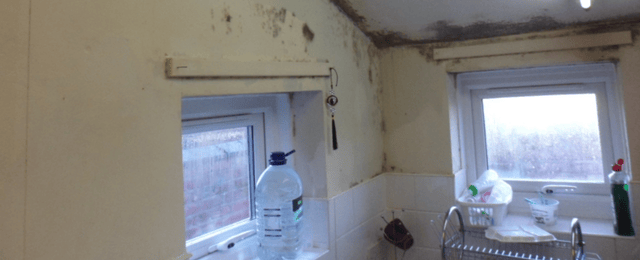
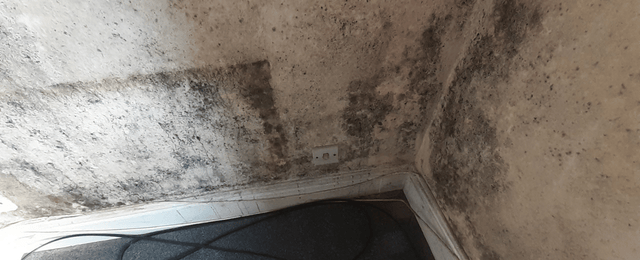
Condensation and Mould on Walls
Condensation is the most common type of damp found in Scotland, and can affect as many as one in five Scottish homes every year. When walls are cold, warm air circulating inside a property will condense on these surfaces and make them wet.
While condensation occurs naturally in homes as a result of everyday tasks creating moisture, if walls are becoming wet and mould is forming, action may be required to prevent the problem. If left, condensation and mould can cause deterioration to surfaces, timber decay, an unpleasant internal environment and even health problems.
Find out the key signs of condensation on walls, why mould occurs and how to prevent the problem in your home or property.
If you require professional assistance, Wise Property Care have a number of professional and qualified surveyors operating across Scotland, providing expert advice and long term solutions.
Signs of Condensation on Walls
While there are some key signs that you have a condensation problem in your property, they can sometimes look similar to other types of damp, such as rising damp or penetrating damp. Because different types of damp require different treatments, accurate diagnosis is essential.
If you are unsure, you may benefit from a damp and timber survey from a qualified professional.
Some of the most common signs of a condensation problem on walls are:
Damp Patches: the surface of walls appearing wet or damp may indicate a condensation problem, especially if they are located on cold external walls.
Peeling Wallpaper: Condensation can cause wallpaper to peel and become detached from the wall.
Flaking paint: Paint will begin to flake and deteriorate over time
Visible condensation on bathroom tiles or windows: This indicates there is excess moisture in the property which cannot escape
Water droplets forming and running down the walls: In serious cases, you may notice water droplets running down walls and causing damage to the skirting boards below
Rotten skirting boards: over time condensation can cause skirting boards to deteriorate and rot
Musty smells in affected rooms: Damp and musty smells, similar to wet washing left for too long, can indicate a condensation problem in homes.
Black mould growth: Over time damp walls can provide conditions for mould spores to germinate, and over time black mould will spread.
Why Are My Walls Wet?
Walls inside homes and properties can become wet or damp in several different ways, such as penetrating damp, but the most common cause across Scotland is often condensation. This is especially common during the winter months, and in properties constructed with solid walls.
If condensation is causing the problem in your home, it is because there is warm humid air inside your property (produced by showering, cooking etc.) which is coming into contact with the wall, which is a cold surface. This causes the moisture in the air to condense and your walls will become wet if there is not enough ventilation to reduce the moisture in the air.
Walls can also become wet if there is a leak from an appliance such as a washing machine or dishwasher or from a plumbing problem. Make sure that this isn’t causing your walls to become wet.
If there are external defects that allow moisture to enter your property, this can also cause walls to become wet. This is known as penetrating damp, and can be caused by wind driven rain, porous masonry, damaged mortar joints, damaged gutters, cracked render, or broken downpipes.
While rising damp is a problem that can cause walls to become damp, it is less common than people realise. As groundwater moves up through brickwork by capillary action, it can affect the lower part of ground floor walls of properties. This will lead to damp patches just above the skirtingboard level.
In order to stop your walls from being wet, you must first understand what the source of the moisture is. This is because each type of damp requires different treatments, so correct identification is key. Misdiagnosing the source of dampness could lead to the problem coming back and getting worse over time, leading to costly repairs in the future.
A damp and timber survey from a qualified professional can provide answers and recommendations to stop the problem long term.
What Causes Condensation on Walls?
When moist humid air is trapped inside the home after every day tasks such as cooking, cleaning or showering, it can condense on cold surfaces. This is common on window panes or mirrors in the bathroom, but if it is happening on walls and other surfaces, it could indicate a more serious problem.
Condensation can form on walls when they are cold surfaces, known as a cold bridge. This is likely to be on external walls, or walls in north facing rooms. This is because they may not receive as much sunlight during the day, making them colder than other parts of the home. This is also the case with solid rather than cavity walls as there is nothing to stop cold crossing to the inside plaster surface.
Condensation on walls can be in areas close to where moisture is being created, such as bathrooms and kitchens, or inside the bedroom overnight. This is because the moisture has nowhere to escape, so the air will circulate around the home until it hits a cold surface, and the humid air turns into liquid. It can appear behind large furniture such as wardrobes and sofas pushed up against walls or behind kitchen units, as there is a lack of air circulation.
If the problem is confirmed to be caused by condensation, you will need to improve ventilation inside the property, and increase the thermal efficiency of the walls in question.
The brick inside of the wall will be dry as condensation will only form on the surface, so there is no need for remedial damp proofing.
What Causes Mould on Walls?
Mould growth on walls is typically caused by a condensation problem, but not always. If a condensation problem is causing walls and surfaces to become wet, this gives the perfect conditions for mould spores to germinate. Over time the mould growth will increase across surfaces.
If mould is forming on walls this indicates a severe imbalance of ventilation, heating and insulation, which must be addressed in order to improve the internal conditions of the home. If left, it will create an unpleasant environment and potential health issues for occupants.
Mould may be more prevalent in areas of the home where large furniture and wardrobes are pushed up against walls, meaning that stale stagnant air becomes trapped. This is common behind headboards or inside cupboards, particularly those attached to outside walls. While mould growth is most commonly caused by condensation, it can be caused by penetrating damp, as moisture seeps inside the property, creating a cold bridge and a damp patch that mould spores can germinate on.
Leaking pipes built into the walls can on occasions lead to mould if it cools the wall surface, so correctly identifying the source is key before repairs are carried out.
A damp and timber survey will be able to provide answers and recommendations if you are concerned about a damp problem.
Ways to Stop Condensation and Mould forming on Walls
While changes to everyday moisture production inside the property will help prevent the amount of moisture in the internal atmosphere, if condensation and mould are forming on walls and surfaces this indicates a ventilation issue and potential structural problems that may need to be addressed.
Specialist improvements to insulation, the thermal efficacy of walls and increased ventilation will all help prevent condensation, and ultimately mould growth.
Thermal Plastering to Stop Cold Spots
For solid walls, an anti-condensation thermal plastering system can be used, helping to improve the thermal efficiency of the wall and thus removing the cold spot that is allowing condensation to form. This will help reduce energy bills and the amount of heat loss. Specially designed reveal tiles allow the system to be installed with minimal impact around doors, window openings, skirting boards, covings and radiators.
Improve Ventilation
Extract fans are designed to remove humid air where moisture is being created, such as bathrooms and kitchens. They should be used while cooking and showering, and ideally left running for 10 minutes after use, to help remove excess moisture.
Positive Input Ventilation Units (PIVs) help improve indoor air quality and remove moist air throughout the whole property. They introduce a constant stream of fresh, filtered and tempered air from the loft space or exterior, to dilute and displace the stale static air inside a property. This will prevent condensation forming on surfaces throughout the whole house, making it a useful solution if there are multiple problem areas inside a property.
Insulation Improvements
Improvements to loft insulation can be a simple and effective way to stop the heat from escaping your home, while also helping to reduce your heating bills. The higher air temperature means more moisture can be held in the air and may raise surfaces above dew point at which condensation can form.
Anti-Condensation Paints
For isolated areas of condensation caused by cold bridging, anti-condensation paints can be applied to create a thermal barrier between the cold surface and the warm moist air inside a home. These products use hollow glass beads the thickness of a human hair, and when incorporated into paint they act as miniature thermos flasks, providing a thermal barrier between cold surfaces and the warmer interior air.
If you have damp walls in your property and are unsure what to do next, Wise Property Care are here to help. Damp problems can often be complex and are sometimes misdiagnosed, which is why it's important to seek professional advice if you are confused about what is causing the problem.
A damp and timber survey will give you peace of mind that a qualified professional has inspected your property, both externally and internally, and provided you with solutions specific to your home.
Our surveyors will use a range of different tools and methods to identify the root cause of the problem, including thermal imaging cameras to identify cold spots, and will provide you with guidance to effectively control excessive moisture. All findings will be detailed in a survey report, along with recommendations for treatments where necessary.
Why Choose Wise Property Care?
When you’re worried about damp, mould and condensation in your home, you want to use a company with experienced and specialist surveyors - with the right training and knowledge to reach the proper diagnosis.
Wise Property Care have both CSRT (Certificated Surveyor in Remedial Treatments) and CSTDB (Certificated Surveyor of Timber and Dampness in Buildings) qualified surveyors operating from a network of local branches - meaning no matter where you are in Scotland, we have a surveyor local to you.
Wise Property Care have been fixing condensation and mould problems and building value back into Scottish properties since 1996.
We are proud members of the Property Care Association (PCA), the trade association that governs our industry. This means you can trust you’re getting professional and honest advice, and treatments following the industry best practice.
Wise Property Care are endorsed by Which? Trusted Trader - meaning our customer service and workmanship has passed rigorous trading standards assessments.
We are rated ‘Excellent’ on Trustpilot with over 550 independent customer reviews from across our branches in Scotland.
We have full coverage of Scotland from our network of local branches: